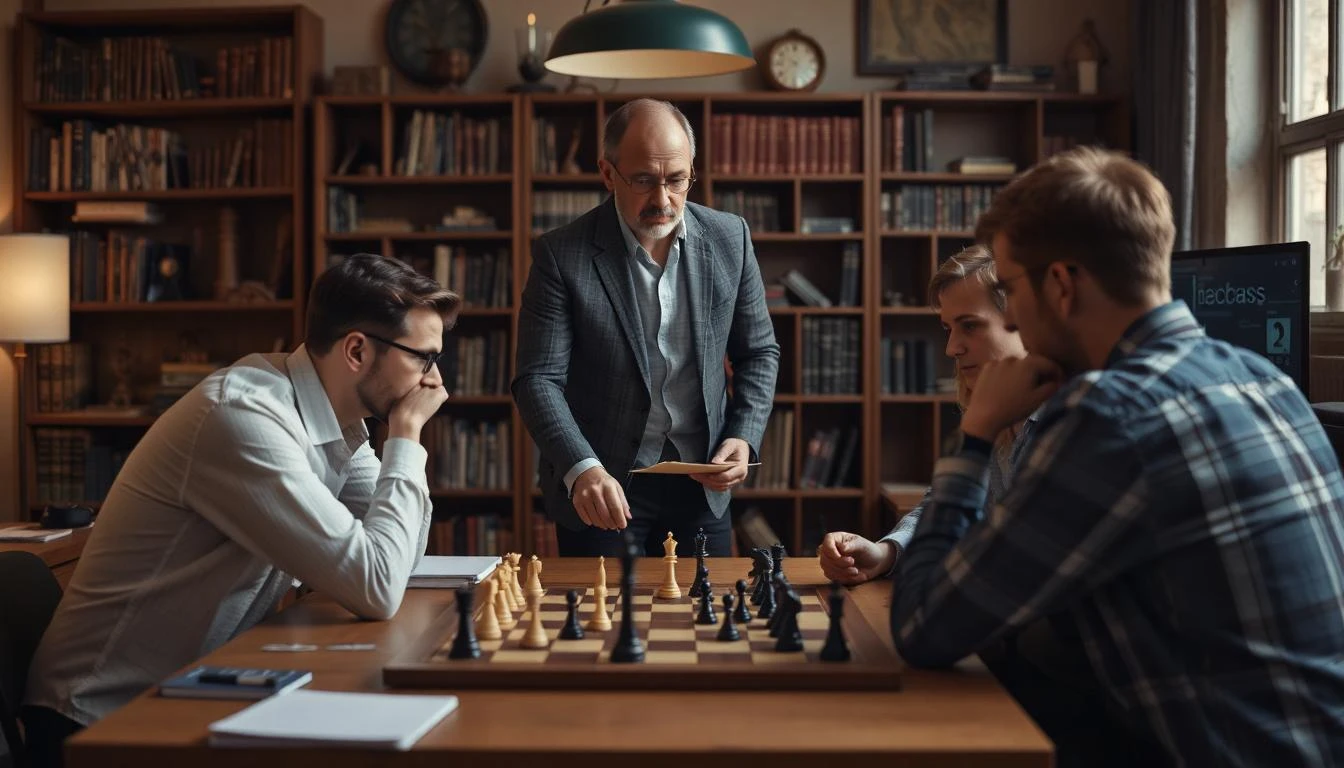
Player Development Chess
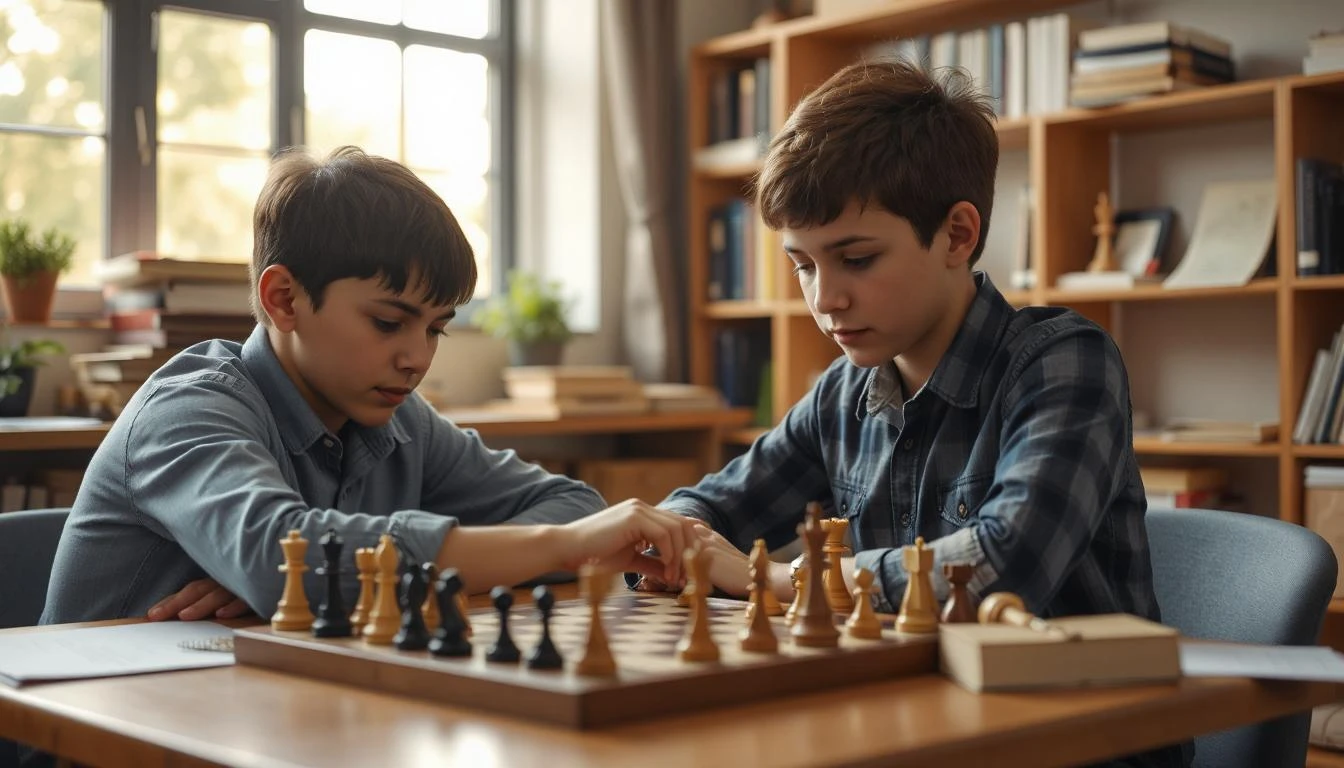
Chess is no longer just a quiet duel between two thinkers, it has evolved into a structured cognitive discipline shaped by data, training systems, and modern analytical tools. If you look closely at today’s competitive players, you’ll notice something in common: they don’t just play, they build themselves through intentional learning systems that guide every move they make on the board.
The rise of structured improvement frameworks has made it easier for learners to grow step by step, rather than relying on intuition alone. This shift is where modern chess becomes fascinating, because progress is no longer random, it is engineered through repetition, review, and refinement.
The chess skill improvement system sits at the center of this transformation, acting as a structured roadmap that connects practice, analysis, and real-game performance into one continuous cycle.
Building a Strong Chess Foundation
Chess mastery always begins with the basics, but the way those basics are trained determines long-term success. Before jumping into advanced tactics or openings, players must first build mental discipline, pattern recognition, and decision clarity.
The player training progression mindset helps structure this early phase, ensuring that learning is not chaotic but deliberately layered for steady growth.
Beginners often underestimate how powerful simple repetition can be when done correctly. Every puzzle solved, every basic endgame studied, and every short game reviewed creates foundational neural pathways that shape future decision-making.
Early training techniques for beginners
Starting with tactical puzzles, basic checkmates, and simple piece coordination builds essential instincts. These exercises may seem small, but they train the brain to recognize patterns faster under pressure. Over time, this forms the backbone of consistent improvement.
Importance of consistent practice routines
Without consistency, improvement becomes fragmented. A structured daily cycle, mixing puzzles, gameplay, and review, helps lock in knowledge. Grandmaster Magnus Carlsen once emphasized that “consistency in small habits creates elite performance over time,” reinforcing the importance of disciplined repetition.
Studying classic games for improvement
Classic games are like strategic textbooks hidden in plain sight. By analyzing legendary matches, players learn how positional ideas evolve across different phases of the game. This approach strengthens long-term understanding and prevents shallow play.
Intermediate Skill Progression
At the intermediate stage, chess becomes less about survival and more about control. Players begin to think several moves ahead, not just react to immediate threats. This is where true strategic awareness starts to form.
Developing a deeper sense of calculation and planning is essential here, and this stage is often where many players either plateau or break through depending on their discipline.
Developing calculation and visualization skills
Visualization training helps players “see” the board without moving pieces. This mental simulation strengthens foresight and reduces blunders. Strong calculation ability is what separates casual players from serious competitors.
Improving opening repertoire
Openings are not just memorized sequences, they are structured ideas. Expanding your repertoire helps you control the early phase of the game and enter positions that suit your style. A well-rounded opening strategy supports long-term confidence.
Strengthening endgame knowledge
Endgames often decide real victories. Understanding king activity, pawn structure, and opposition techniques transforms close positions into wins. Many games are decided here, where precision matters more than creativity.
Advanced Player Growth Strategies
At the advanced level, chess becomes a science of refinement. Every small improvement matters, and every mistake becomes a learning signal. Players begin to rely on deeper tools and expert guidance to sharpen their edge.
This stage demands discipline, reflection, and a willingness to constantly question one’s own decisions.
Working with coaches and mentors
Coaching accelerates growth by identifying blind spots that self-study cannot reveal. As International Master Susan Polgar once stated, “A strong coach doesn’t just teach moves, they reshape how you think about the game.”
Using AI analysis for performance review
Modern engines like Stockfish allow players to break down every move with precision. AI tools highlight inaccuracies, missed opportunities, and strategic weaknesses. When integrated properly, they become a powerful extension of the learning process.
Competitive tournament preparation
Tournament readiness involves mental conditioning, time control practice, and opponent study. Simulated pressure games help players adapt to real competitive environments, reducing emotional instability during critical moments.
Unlock Your Full Potential as a Chess Player Today
Growth in chess is never accidental, it is built through structured repetition, reflection, and adaptation. Once you fully embrace the chess skill improvement system, every game becomes part of a larger learning cycle rather than an isolated result. The combination of disciplined study and intentional practice shapes a player who doesn’t just react but understands deeply.
At this stage, chess becomes more than a game; it becomes a mirror of how you think, plan, and respond under pressure. Progress is no longer about winning quickly, it is about building consistency that lasts.