Chess Strategy Guide
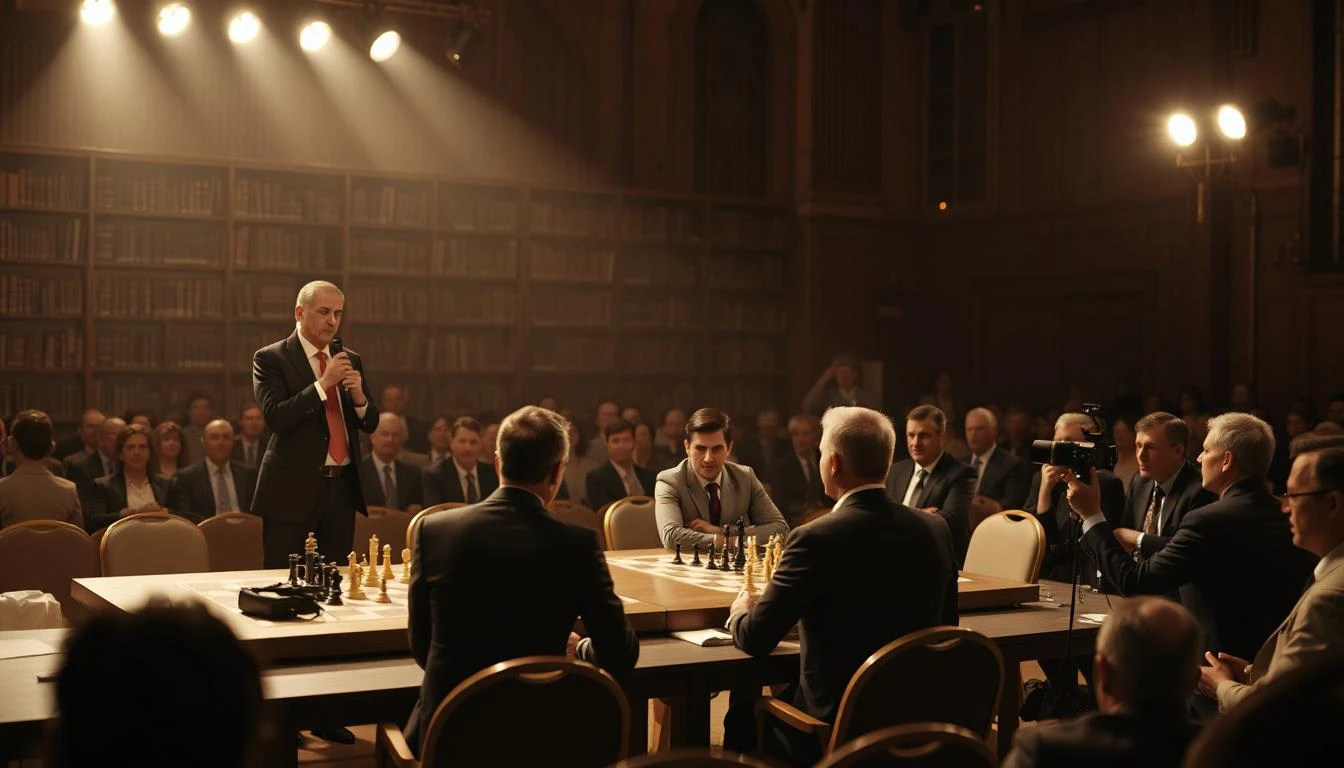
The chessboard is not just 64 squares, it is a battlefield of patience, deception, and calculated brilliance. Every move carries weight, every silence hides intention, and every decision can shift the entire trajectory of the game. When you look closer, chess stops being a game and becomes a language of strategic thought that rewards those who can think several steps ahead.
Modern players are no longer relying on intuition alone. They study patterns, analyze structures, and refine their mindset through structured learning systems. In this evolving landscape, winning chess techniques become the foundation of competitive success, shaping how players interpret positions, anticipate threats, and construct long-term advantages with precision.
Foundations of Chess Strategy
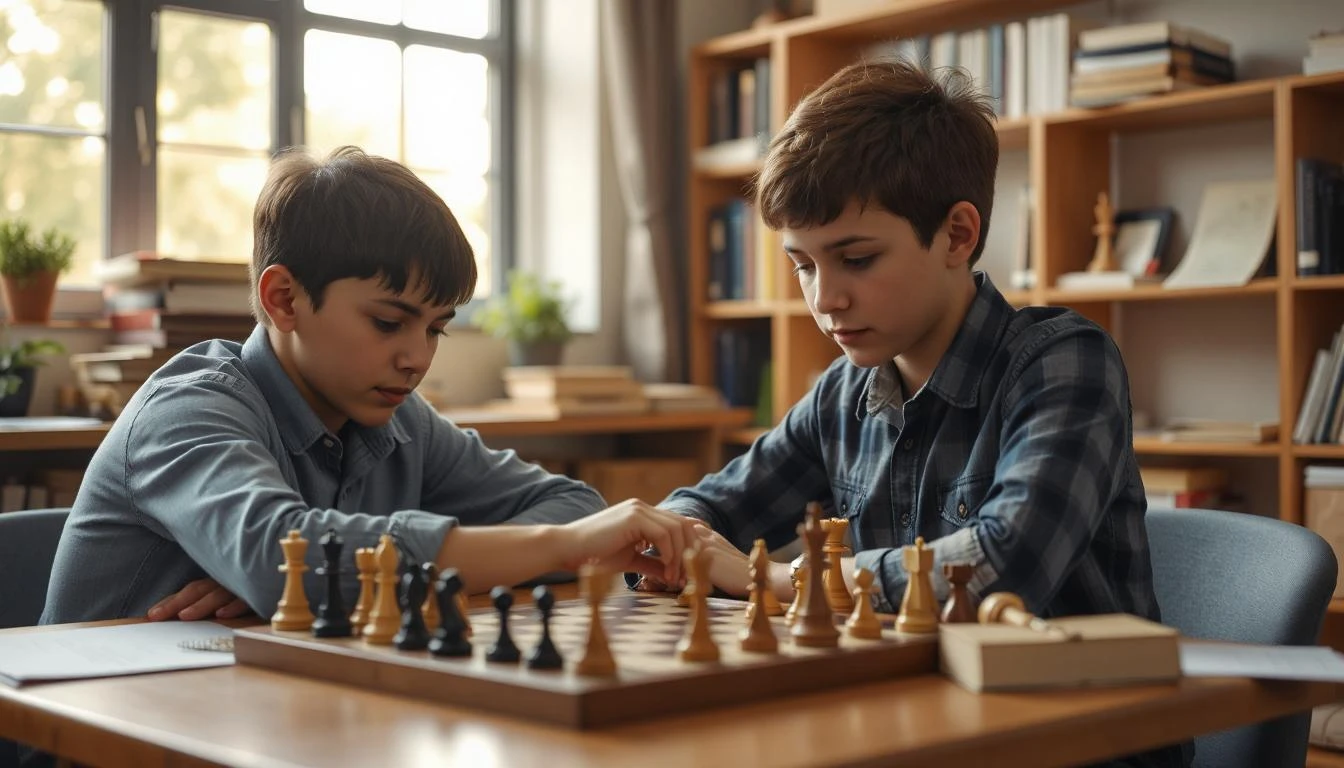
Chess strategy begins where impulse ends. Before any tactical brilliance can emerge, players must first understand the underlying structure that governs every position. This foundation determines whether a player controls the flow of the game or simply reacts to it.
tactical planning tips play a crucial role here, helping players develop foresight in early decision-making and avoid structural weaknesses that can define the rest of the match.
Understanding board control principles
Board control is about influence, not just occupation. The center becomes the heartbeat of every position, dictating mobility and restricting opponent options. A strong player understands that controlling key squares is equivalent to controlling time itself. As legendary chess coach Mark Dvoretsky once said, “The center is not just space, it is potential waiting to be activated.”
Importance of opening theory
Openings are not memorization contests, they are strategic declarations. Each line reflects intent: aggression, defense, or positional restraint. Players who understand opening theory don’t just survive the early game, they shape it. One overlooked nuance can decide whether you enter the middlegame with strength or struggle for compensation.
Piece coordination fundamentals
Pieces are not individual actors; they are a unified system. Coordination transforms scattered forces into synchronized pressure. When knights support bishops and rooks activate open files, the board begins to feel like a controlled ecosystem rather than a chaotic battlefield.
Advanced Strategic Planning
Once the basics are mastered, the game shifts into deeper territory where calculation blends with imagination. Here, decisions are less about immediate gain and more about long-term positioning and psychological pressure.
Positional versus tactical thinking
Every strong player learns to balance two worlds: the slow accumulation of positional advantage and the explosive potential of tactical strikes. Understanding when to switch between these modes is what separates advanced players from intermediate ones.
Long term sacrifice strategies
Sacrifices are not losses, they are investments into future dominance. A sacrificed piece may open lines, expose the king, or dismantle pawn structure. As grandmaster Mikhail Tal famously said, “You must take your opponent into a deep dark forest where 2+2=5 and the path out is only wide enough for one.”
Endgame preparation techniques
Endgames reveal the truth of preparation. Without precise technique, even a winning position can dissolve into a draw. King activity, pawn promotion timing, and opposition principles become decisive elements that define victory or failure.
Common Strategic Mistakes to Avoid
Mistakes in chess are rarely random, they are patterns of misunderstanding repeated under pressure. Recognizing them is the first step toward eliminating them from your gameplay.
Overlooking king safety
King safety is the invisible shield of every strategy. Neglecting it often leads to irreversible consequences, especially when the opponent initiates a sudden tactical strike.
Ignoring pawn structure weaknesses
Pawn structure is the skeleton of every position. Once weakened, it rarely recovers. Isolated pawns and weak squares become long-term liabilities that skilled opponents exploit relentlessly.
Poor time management during games
Time is a hidden piece on the board. Mismanaging it leads to rushed decisions, missed tactics, and unnecessary blunders in critical positions.
Improve Your Game with Proven Chess Strategies
Improvement in chess requires structured discipline rather than random practice. Study patterns, review master games, and analyze your own mistakes with brutal honesty. This is where true growth begins.
Applying winning chess techniques consistently ensures that your gameplay evolves from reactive to proactive. At the same time, integrating tactical planning tips into every training session sharpens your ability to predict outcomes before they fully unfold.
As international chess trainer Susan Polgar once stated, “Success in chess comes from understanding patterns, not memorizing moves.” That insight reflects the deeper truth: mastery is built through recognition, not repetition.
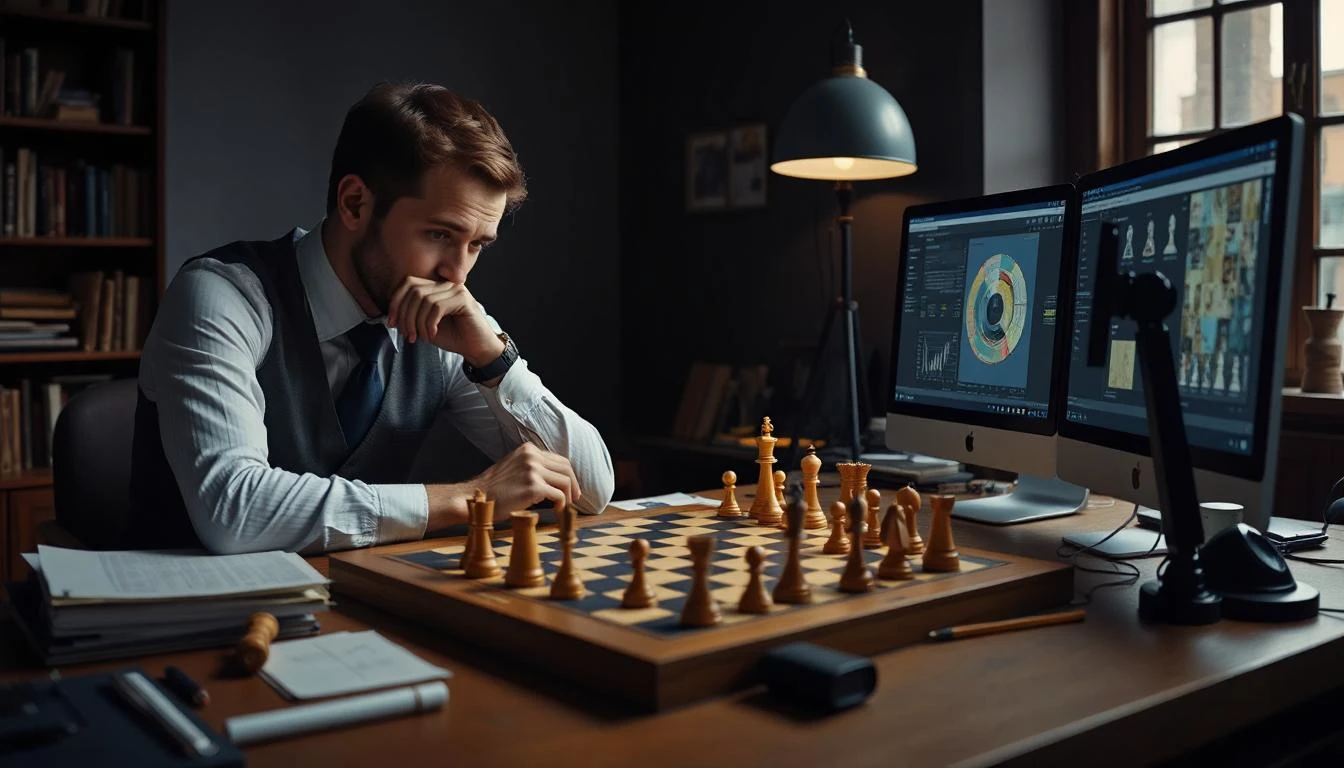
The modern chess environment is fast-paced and data-driven. Players who combine analytical tools with disciplined study gain a measurable edge. Improvement is no longer optional, it is systematic.