Chess Tutorial Trends
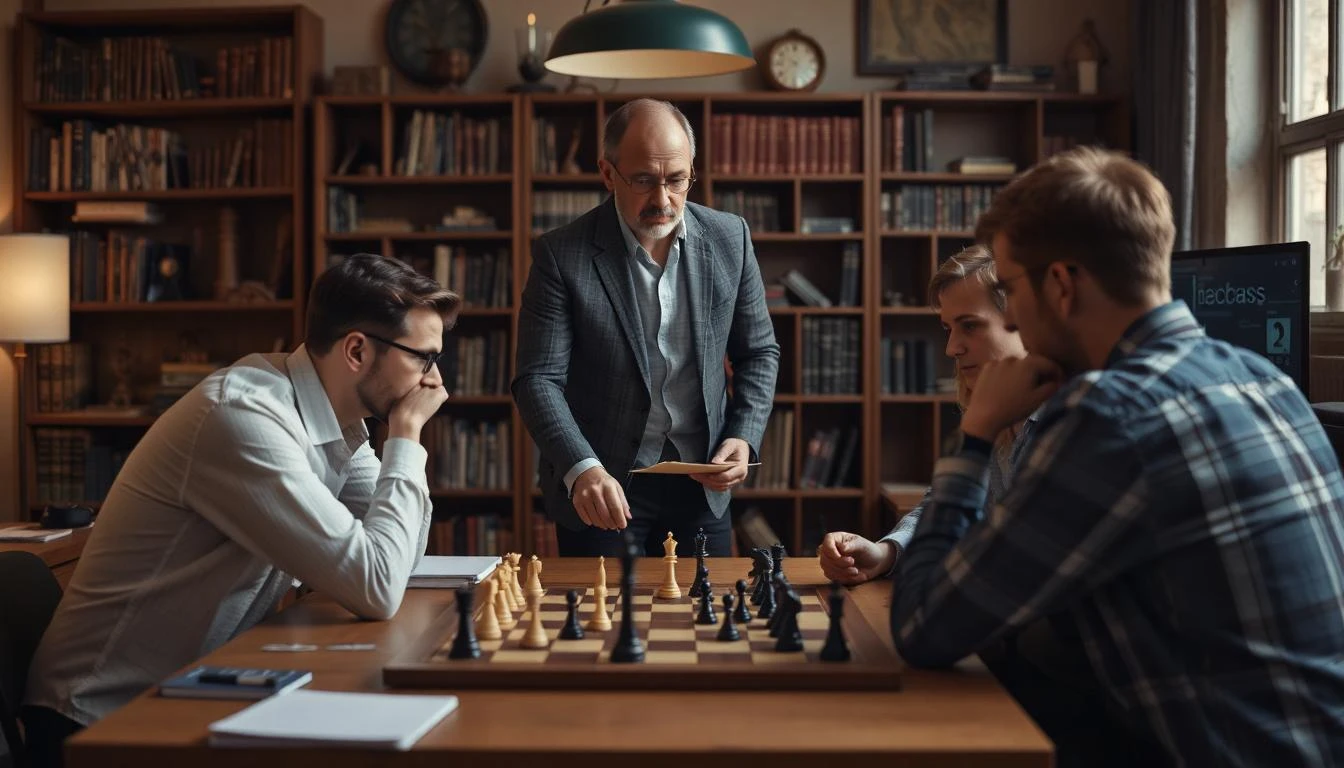
Chess is no longer a slow classroom discipline reserved for quiet study rooms. It has transformed into a fast, interactive digital ecosystem where learning happens in seconds, not hours. Players across the globe are now consuming, practicing, and mastering strategies in entirely new ways that blend entertainment with high-level cognitive training.
In this evolving landscape, modern chess learning methods have become the backbone of global chess education, reshaping how beginners and advanced players absorb strategy. Instead of traditional memorization, learners now rely on dynamic systems, real-time feedback, and adaptive platforms that respond to their thinking patterns.
Modern Chess Tutorial Landscape
The modern chess world feels alive in a way it never has before. Tutorials are no longer static lessons but constantly evolving streams of knowledge influenced by creators, engines, and global communities. Every scroll, click, and game becomes part of a larger learning experience.
The rise of digital accessibility has made chess education borderless. You are no longer limited to books or coaches; instead, you step into a global arena where every player becomes both student and teacher.
modern chess learning methods continue to redefine this ecosystem, blending AI insights, interactive practice, and real-time feedback into a seamless learning journey.
Rise of short form chess content on social media
Short-form chess content has exploded across platforms like TikTok, Instagram Reels, and X. These micro-lessons simplify complex strategies into digestible insights. A single clip can reveal a devastating opening trap or a brilliant endgame technique in under a minute.
Alongside this trend, updated training drills have become a key focus for creators who aim to keep learners engaged while still delivering depth. The combination of entertainment and education makes chess more approachable than ever.
Interactive learning platforms and apps
Modern platforms have evolved into full ecosystems rather than simple apps. They now track progress, suggest personalized puzzles, and adapt to user skill levels in real time. This creates a highly individualized learning journey.
Many learners search for “best adaptive chess learning apps for fast improvement,” reflecting the growing demand for structured yet flexible education systems that align with real-world gameplay.
Influence of streaming and online coaches
Streaming has turned chess into a spectator sport of intellect. Grandmasters and experienced coaches break down live games, explaining thought processes behind every move. This transparency builds trust and deepens understanding.
Hikaru Nakamura once noted, “Chess is no longer learned in silence; it is learned in conversation with thousands watching and thinking together.” This shift has redefined how expertise is shared globally.
Popular Learning Methods in 2025
Chess learning in 2025 is deeply personalized, powered by algorithms and behavioral data. No two players follow the same path anymore. Instead, learning adapts to decision speed, accuracy, and strategic tendencies.
The evolution of training methods reflects a major shift toward efficiency and engagement, where players learn faster by interacting with intelligent systems rather than static material.
Puzzle based training systems
Puzzle systems have become highly adaptive. Instead of random tactics, learners receive puzzles tailored to their weaknesses. This builds stronger pattern recognition and decision-making speed.
Search interest in terms like “tactical chess improvement routines for rapid ranking growth” shows how players are actively seeking structured puzzle-based progression.
AI driven game analysis tools
Artificial intelligence now serves as a personal chess mentor. It highlights mistakes, suggests improvements, and simulates alternative game outcomes instantly.
Magnus Carlsen once stated, “The strongest opponent is not the engine itself, but the clarity it forces you to develop in your own thinking.” This highlights how AI enhances human understanding rather than replacing it.
Gamification in chess education
Gamification transforms training into progression-based systems with rewards, rankings, and challenges. This keeps learners engaged while reinforcing consistent practice habits.
Players often stay longer on platforms that turn improvement into a game-like experience, making learning both competitive and enjoyable.
Digital Tools Transforming Chess Tutorials
Chess education has fully entered the digital intelligence era. Tools now integrate analysis, practice, and community interaction into a single seamless experience that supports continuous growth.
These systems are not just supportive, they actively shape how players think, react, and evolve over time.
updated training drills are increasingly integrated into these tools, ensuring that learning remains structured yet adaptive to real-time performance.
Chess engines for real time feedback
Engines provide instant evaluation of every move, helping players understand not just what is wrong but why it is wrong. This immediate feedback accelerates learning dramatically.
Mobile learning applications
Mobile apps allow players to learn anytime, anywhere. Whether solving puzzles during a commute or reviewing games before bed, learning becomes a continuous habit rather than a scheduled activity.
Search trends like “best mobile chess training tools for daily improvement” highlight the growing reliance on portable learning systems.
Community driven learning forums
Forums and online communities create shared learning environments where players exchange ideas, analyze positions, and debate strategies. This collaborative ecosystem strengthens long-term understanding and trust.
Master Chess Faster with Modern Tutorial Trends
The future of chess learning is no longer about slow accumulation but rapid adaptation. By combining AI tools, interactive apps, and social learning systems, players can accelerate their improvement beyond traditional expectations.
modern chess learning methods continue to dominate this transformation, enabling players to learn smarter rather than harder. As one chess educator, Susan Polgar, once said, “Improvement in chess is not about time spent, but quality of thought applied.”
At the same time, GM Garry Kasparov emphasized, “Technology does not replace understanding; it amplifies it when used correctly.” This reflects the balance between human intuition and digital intelligence in modern training systems.
The chess landscape is now a dynamic marketplace of ideas, tools, and strategies, where every player has access to elite-level insights.
You are not just observing this evolution, you are part of it. And the way you engage with these tools will define your growth in the modern chess era.